จารึก
The Princess Maha Chakri Sirindhorn Anthropology Centre
คำอ่าน-แปล

ด้านที่ 1 |
 |
ชุดคำค้น 19 คำ
อายุ-จารึก พ.ศ. 1372, อายุ-จารึกพุทธศตวรรษที่ 14, ยุคสมัย-จารึกสมัยขอมพระนคร, ยุคสมัย-จารึกสมัยขอมพระนคร-พระเจ้าชัยวรมันที่ 2, วัตถุ-จารึกบนหิน, วัตถุ-จารึกบนหินทราย, วัตถุ-จารึกบนหินทรายสีแดง, ลักษณะ-จารึกบนใบเสมา, ที่อยู่ปัจจุบัน-จารึกในพิพิธภัณฑสถานแห่งชาติ มหาวีรวงศ์, ศาสนา-จารึกในศาสนาพราหมณ์-ฮินดู, ศาสนา-จารึกในศาสนาพราหมณ์-ฮินดู ลัทธิไศวนิกาย, เรื่อง-การบริจาคและการทำบุญ, เรื่อง-การบริจาคและการทำบุญ-สร้างเทวรูป, เรื่อง-การบริจาคและการทำบุญ-ถวายสิ่งของ, เรื่อง-การบริจาคและการทำบุญ-ถวายข้าพระ, เรื่อง-การบริจาคและการทำบุญ-สร้างอาศรม, บุคคล-พระศรีวัตสะ, บุคคล-พราหมณ์ศรีธีธรรมาตกะ, บุคคล-สวามีศรีศิญชระ,
ภาพจากการสำรวจภาคสนาม


จารึกพันดุง
จารึก
จารึกพันดุง


 โพสต์เมื่อวันที่ 13 ก.พ. 2550 13:59:58 ( อัพเดทเมื่อวันที่ 23 เม.ย. 2567 22:09:12 )
ชื่อจารึก |
จารึกพันดุง |
ชื่อจารึกแบบอื่นๆ |
จารึกพระศรีวัตสะสร้างเทวรูป อักษรปัลลวะ ภาษาสันสกฤต, นม. 38, จารึกพระศรีวัตสะสร้างเทวรูป, K.1155, เลขทะเบียนโบราณวัตถุที่ 09/32/2530, จารึกกบ้านพันดุง |
อักษรที่มีในจารึก |
หลังปัลลวะ |
ศักราช |
พุทธศักราช 1372 |
ภาษา |
สันสกฤต |
ด้าน/บรรทัด |
จำนวนด้าน 1 ด้าน มี 10 บรรทัด |
วัตถุจารึก |
หินทราย สีแดง |
ลักษณะวัตถุ |
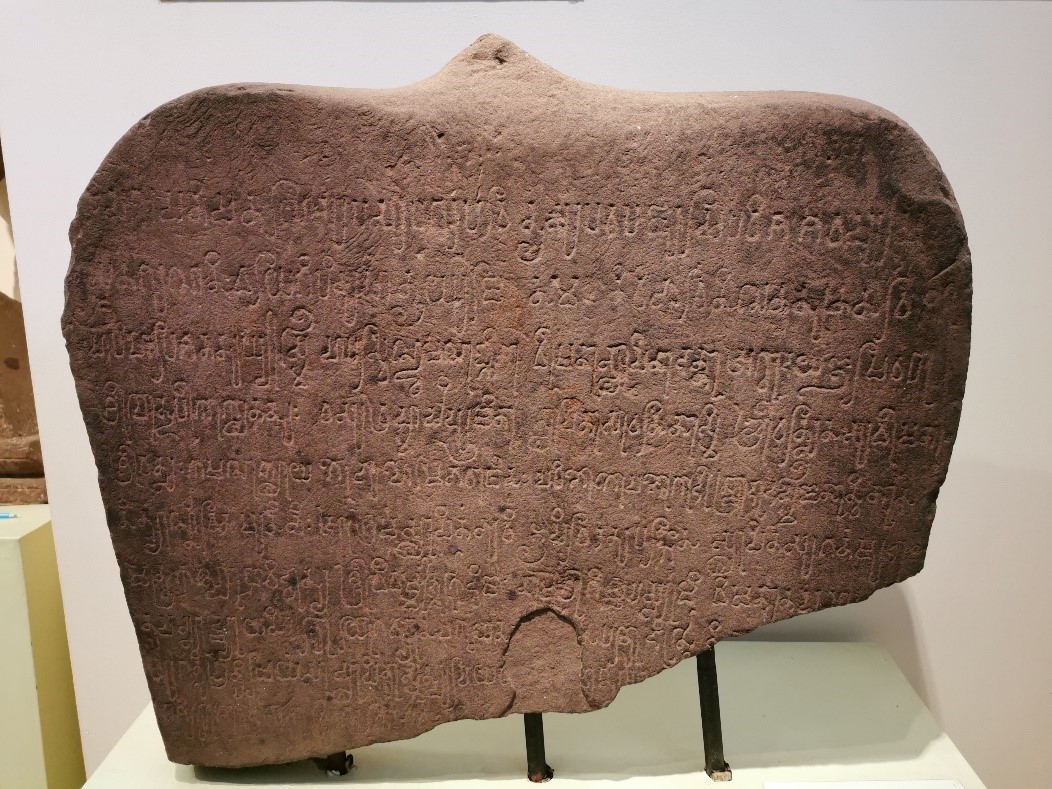
รูปใบเสมา ชำรุด |
ขนาดวัตถุ |
สูง 62 ซม. กว้าง 76 ซม. หนา 12.5 ซม. |
บัญชี/ทะเบียนวัตถุ |
1) กองหอสมุดแห่งชาติ กำหนดเป็น “นม. 38“ |
ปีที่พบจารึก |
ตุลาคม พ.ศ. 2530 |
สถานที่พบ |
บ้านพันดุง ตำบลพันดุง อำเภอขามทะเลสอ จังหวัดนครราชสีมา |
ผู้พบ |
นายยนต์ ซิ้มสันเทียะ 124 หมู่ 7 บ้านพันดุง ตำบลพันดุง อำเภอขามทะเลสอ จังหวัดนครราชสีมา |
ปัจจุบันอยู่ที่ |
พิพิธภัณฑสถานแห่งชาติ มหาวีรวงศ์ ตำบลในเมือง อำเภอเมือง จังหวัดนครราชสีมา (บันทึกข้อมูลวันที่ 29/11/2563) |
พิมพ์เผยแพร่ |
วารสารศิลปากร ปีที่ 31 ฉบับที่ 5 (พฤศจิกายน-ธันวาคม 2530) : 91-96. |
ประวัติ |
เนื่องจากหลักศิลาจารึก ได้มีการโยกย้ายจากแหล่งที่พบ และโยกย้ายต่อไปตามสถานที่อันเหมาะสมแต่ละกาลสมัย เดิมจึงตั้งชื่อจารึกหลักนี้ตามเนื้อหาของการจารึกว่า “จารึกพระศรีวัตสะสร้างเทวรูป” มิได้ตั้งชื่อตามสถานที่พบจารึก และปัจจุบันนี้ได้เคลื่อนย้ายไปจากที่เดิมแล้ว |
เนื้อหาโดยสังเขป |
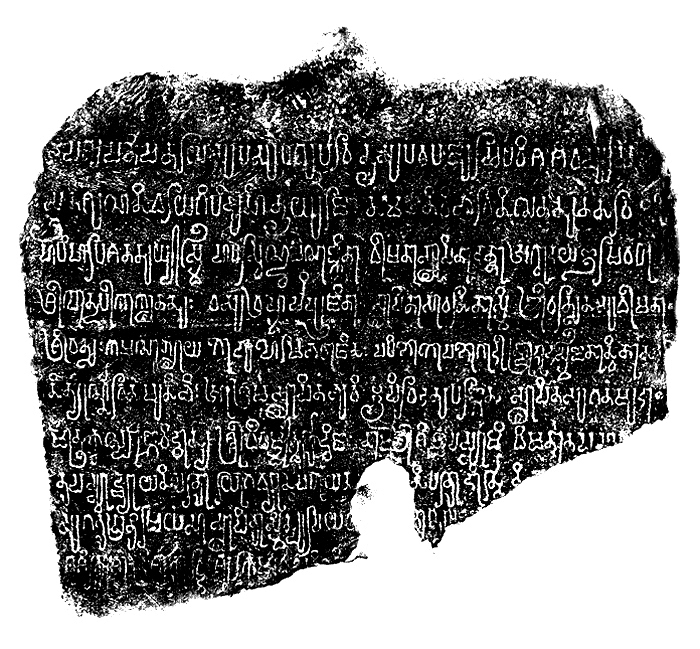
ข้อความจารึกสองบรรทัดแรกกล่าวถึง ความนอบน้อมต่อพระศิวะ อันเป็นที่เคารพสักการะของผู้นับถือศาสนาพราหมณ์ สองบรรทัดต่อไปกล่าวถึงท่านผู้เป็นปราชญ์ คงหมายถึงพระศรีวัตสะ เพราะมีการระบุนามอย่างชัดเจนในสองบรรทัดต่อไป ได้สร้างรูปพระหริหระประทับที่ภูเขาซึ่งมีกระแสน้ำไหลแรง คงหมายถึง ภูเขาที่มีน้ำตก ไว้ประจำอาศรม พร้อมเทวรูปอื่นๆ สองบรรทัดที่สาม พระศรีวัตสะได้ถวายวัตถุสิ่งของ เครื่องอุปโภคบริโภค ให้แก่อาศรม พร้อมทั้งมอบประชาชนจำนวนหนึ่ง ให้เป็นผู้ดูแลรับใช้ในอาศรมด้วย ในสองบรรทัดเดียวกันนี้ ได้กล่าวถึงเหล่าพระมุนีทั้งหลายได้สร้างอาศรมไว้ เพราะมีน้ำบริบูรณ์ ทั้งได้สร้างรูปพระสุคตไว้ในอาศรมตามความคิดของฤษี สองบรรทัดที่สี่กล่าวถึงพราหมณ์ศรีธีธรรมาตกะ และสวามีศรีศิญชระ ได้ฝึกฝนในการบำเพ็ญตบะและการเจริญโยคสมาธิ สองบรรทัดสุดท้ายซึ่งมีความสำคัญมาก จารึกได้กล่าวถึงการสร้างพระสุคตประติมา ไว้ในเมือง ข้อความต่อไปในบรรทัดเดียวกันนี้ อักษรจารึกชำรุดหายไป จึงไม่ทราบว่าใครเป็นผู้สร้างพระสุคตประติมา จะเป็นพระศรีวัตสะ พระมุนี พราหมณ์ศรีธีธรรมาตมกะ หรือสวามีศรีศิญชระ และในเมืองนี้ ก็มิอาจทราบได้ว่าเป็นเมืองอะไร เพราะอักษรชำรุดดังกล่าว บรรทัดสุดท้ายของจารึก ระบุวัน เดือน ปี ที่สร้างพระสุคตประติมาไว้ในเมือง ว่าเป็นวันเสาร์ เดือน 1 ขึ้น 8 ค่ำ ปีศักราช 751 (พ.ศ. 1372) |
ผู้สร้าง |
ไม่ปรากฏหลักฐาน |
การกำหนดอายุ |
จารึกบรรทัดที่ 10 บอกมหาศักราช 751 ซึ่งตรงกับ พ.ศ. 1372 |
ข้อมูลอ้างอิง |
เรียบเรียงข้อมูลโดย : นวพรรณ ภัทรมูล, โครงการฐานข้อมูลจารึกในประเทศไทย, ศมส., 2548, จาก : |
ภาพประกอบ |
ภาพสำเนาจารึกจาก : ภาควิชาภาษาตะวันออก คณะโบราณคดี มหาวิทยาลัยศิลปากร, 2545 (เลขทะเบียน CD; INS-TH-04, ไฟล์; NM_017) |