จารึก
The Princess Maha Chakri Sirindhorn Anthropology Centre
คำอ่าน-แปล

ด้านที่ 1 |
 |
จารึกเหรียญเงินทวารวดี (วัดพระประโทนเจดีย์ 3)
จารึก
จารึกเหรียญเงินทวารวดี (วัดพระประโทนเจดีย์ 3)


 โพสต์เมื่อวันที่ 13 ก.พ. 2550 13:59:58 ( อัพเดทเมื่อวันที่ 17 ส.ค. 2566 23:52:40 )
ชื่อจารึก |
จารึกเหรียญเงินทวารวดี (วัดพระประโทนเจดีย์ 3) |
ชื่อจารึกแบบอื่นๆ |
เหรียญเงินมีจารึก, silver medal-2nd type |
อักษรที่มีในจารึก |
ปัลลวะ |
ศักราช |
พุทธศตวรรษ 12 |
ภาษา |
สันสกฤต |
ด้าน/บรรทัด |
จำนวนด้าน 1 ด้าน มี 2 บรรทัด |
วัตถุจารึก |
เงิน |
ลักษณะวัตถุ |
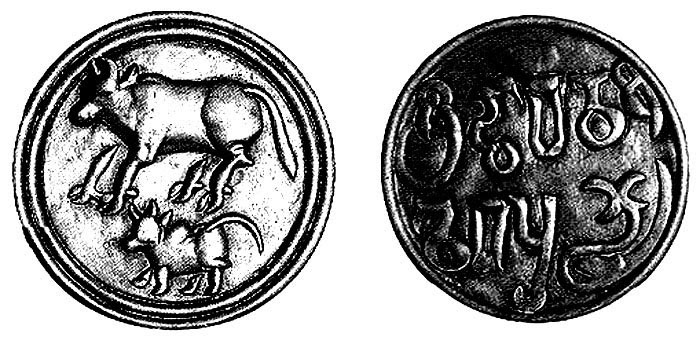
เหรียญทรงกลมแบน ด้านหนึ่งมีอักษรจารึก อีกด้านหนึ่งมีรูปแม่วัวกับลูกวัว |
ขนาดวัตถุ |
เส้นผ่าศูนย์กลาง 2 ซม. |
บัญชี/ทะเบียนวัตถุ |
1) กองหอสมุดแห่งชาติ กำหนดเป็น “นฐ. 8” |
ปีที่พบจารึก |
พุทธศักราช 2486 |
สถานที่พบ |
ใต้ฐานเจดีย์เก่า ใกล้ห้วยจระเข้ ในเขตวัดพระประโทนเจดีย์ วรวิหาร ตำบลพระประโทน อำเภอเมือง จังหวัดนครปฐม |
ผู้พบ |
ไม่ปรากฏหลักฐาน |
ปัจจุบันอยู่ที่ |
พิพิธภัณฑสถานแห่งชาติ พระนคร ถนนหน้าพระธาตุ แขวงพระบรมมหาราชวัง เขตพระนคร กรุงเทพมหานคร |
พิมพ์เผยแพร่ |
1) The Journal of the Siam Society vol. LII part 1 (April 1964) : 109-110. |
ประวัติ |
เรื่องราวเกี่ยวกับการค้นพบเหรียญเงินมีจารึกอักษรปัลลวะนี้ ตีพิมพ์เป็นครั้งแรกใน The Journal of the Siam Society (JSS) โดย นาย เจ เจ โบลส์ (J. J. Boeles) ซึ่งได้พรรณนาไว้ว่า ในช่วงสงครามโลกครั้งที่ 2 มีการค้นพบไหดินเผาฝังอยู่ใต้ฐานเจดีย์เก่าบริเวณห้วยจระเข้ ตำบลเนินหิน อำเภอเมือง จังหวัดนครปฐม แต่อย่างไรก็ตาม นายเฉลิม ยงบุญเกิด ได้พรรณนาไว้ในหนังสือกระษาปณ์ไทยว่าพบที่หมู่บ้านหนองสองตอน ตำบลพระปะโทน อำเภอเมือง จังหวัดนครปฐม จากนั้น นาย เจ เจ โบลส์ ได้พรรณนาต่อไปว่า ในไหดินเผานี้ พบเหรียญเงินหลายเหรียญ มีทั้งที่เป็นรูปสังข์ และเหรียญเงินมีจารึกอยู่ปะปนกัน แต่อย่างไรก็ตาม ในเวลาต่อมาเหรียญเงินเหล่านี้ก็ได้กระจัดกระจายไปอยู่ในมือของบุคคลต่างๆ ซึ่งมีเหรียญเงิน 2 เหรียญซึ่งมีจารึกได้ตกไปเป็นสมบัติของนายเฉลิม ยงบุญเกิด ผู้สนใจศึกษาเกี่ยวกับเหรียญโบราณ ซึ่งต่อมาก็ได้มอบเหรียญเงินทั้ง 2 นี้ให้แก่พิพิธภัณฑสถานแห่งชาติ นายเฉลิม ยงบุญเกิด และ นาย เจ เจ โบลส์ ได้ศึกษารูปแบบของเหรียญเงินทั้ง 2 แล้วพบว่ารูปแบบของเหรียญเช่นนี้ ยังไม่เคยพบมาก่อนทั้งในอินเดีย และเอเชียตะวันออกเฉียงใต้ ในการศึกษาครั้งนี้ นาย เจ เจ โบลส์ ได้จำแนกเหรียญทั้งสองชิ้นดังนี้คือ รูปแบบที่ 1 (silver medal-1st type) คือ ด้านหน้ามีสัญลักษณ์รูปหม้อปูรณฆฏะ หรือ ปูรณกลศะ รูปแบบที่ 2 (silver medal-2nd type) คือ ด้านหน้ามีสัญลักษณ์รูปแม่โคกับบุตร อย่างไรก็ตาม ด้านหลังของเหรียญทั้ง 2 นี้ มีรูปแบบที่เหมือนกันคือ มีคำจารึกด้วยอักษรโบราณชุดหนึ่ง ซึ่งนายเฉลิม ยงบุญเกิด และ นาย เจ เจ โบลส์ จึงได้นำอักษรโบราณนี้ไปให้อาจารย์มหาแสง หรือ นายแสง มนวิทูร วินิจฉัยว่าอักษรโบราณชุดนี้ เป็นอักษรปัลลวะ อายุราวพุทธศตวรรษที่ 12 และได้อ่านข้อความบางส่วนเป็นเบื้องต้น จึงได้คำอ่านออกมาว่า “ศฺรี ทฺวารวตี ...... ” ซึ่งนับเป็นหลักฐานชิ้นแรกที่เป็นลายลักษณ์ที่มีอายุร่วมสมัยกับอาณาจักรทวารวดี ซึ่งก่อนหน้านี้ไม่เคยพบมาก่อน และเป็นการยืนยันว่า ชื่ออาณาจักรหนึ่งที่ปรากฏในบันทึกการเดินทางของสมณะเฮี่ยนจัง ว่า “ตว้อ-หลอ-ปอ-ตี่” (พ.ศ. 1172-1188) และสมณะอี้จิง ว่า “ตู้-เหอ-ปอ-ตี่” (พ.ศ. 1214-1238) ตรงกับคำว่า ทวารวดีจริง ตามข้อสันนิษฐานของนายซามวล บีล (Samuel Beal) ที่ให้ไว้ตั้งแต่ราว พ.ศ. 2427 เป็นต้นมา ต่อมาเมื่อวันที่ 12 กันยายน พ.ศ. 2506 นายเฉลิม ยงบุญเกิด และ นาย เจ เจ โบลส์ ได้นำเหรียญและคำจารึกที่อ่านได้นี้เข้าไปปรึกษากับ ศ. ยอร์ช เซเดส์ เป็นการส่วนตัว ซึ่ง ศ. ยอร์ช เซเดส์ ได้อ่านข้อความที่เหลือจนหมด ได้คำอ่านว่า “ศฺรี ทฺวารวตีศฺวรปุณฺย” และแปลได้ว่า “oeuvre méritoire du roi de Çrī Dvāravatī” หรือแปลเป็นไทยได้ว่า “บุญกุศลของพระราชาแห่งทวารวดี” อย่างไรก็ตาม ในปี พ.ศ. 2529 หอสมุดแห่งชาติ กรมศิลปากร ได้ตีพิมพ์หนังสือชุดจารึกในประเทศไทยขึ้น ในหนังสือชุดนี้ น.ส. ก่องแก้ว วีระประจักษ์ และ นายชะเอม แก้วคล้าย ได้ทำการตรวจทานคำอ่านและแปลความหมายของคำจารึกใหม่เป็นภาษาไทย ได้ว่า “พระเจ้าศรีทวารวดี ผู้มีบุญอันประเสริฐ” ในปี พ.ศ. 2534 นายชะเอม คล้ายแก้ว ได้เขียนบทความเรื่อง “ศรีทวารวดี” พิมพ์ลงในวารสารศิลปากร ซึ่งบทความนี้เป็นบทความที่นำเสนอเกี่ยวกับแนวทางการแปลโดยละเอียดของคำจารึก “ศฺรีทฺวารวตีศฺวรปุณฺย” ตามหลักไวยากรณ์ของภาษาสันสกฤต ซึ่งก็ยังคงยืนยันคำแปลเดิมที่ว่า “พระเจ้าศรีทวารวดี ผู้มีบุญอันประเสริฐ” |
เนื้อหาโดยสังเขป |
คำจารึกที่ว่า “ศฺรีทฺวารวตีศฺวรปุณฺย” หรือ “พระเจ้าศรีทวารวดีผู้มีบุญอันประเสริฐ” เป็นการยืนยันถึงการมีอยู่จริงของอาณาจักรทวารวดี ซึ่งสอดคล้องกับทั้งเอกสารจีนร่วมสมัยและโบราณวัตถุสถานที่พบในเขตลุ่มแม่น้ำท่าจีน-แม่กลอง-ป่าสัก ในประเทศไทย ส่วนด้านหน้าของเหรียญทำเป็นรูปแม่โคกับบุตรนั้น ศ. ดร. ผาสุก อินทราวุธ ได้อธิบายไว้ในหนังสือทวารวดี การศึกษาเชิงวิเคราะห์จากหลักฐานทางโบราณคดี ว่า “โค เป็นสัญลักษณ์พลังอำนาจด้านการผลิตของธรรมชาติ โดยพลังอำนาจด้านการผลิตของธรรมชาตินี้ สัมพันธ์กับคติการนับถือพระแม่ หรือ เทพีแห่งความอุดมสมบูรณ์ของพืชพันธุ์ธัญญาหาร และสัมพันธ์กับคติการบูชาคช-ลักษมี (เทพีแห่งความมั่งคั่งและความอุดมสมบูรณ์) สัญลักษณ์รูปแม่โคกับบุตร จัดเป็นหนึ่งในมงคล 108 ประการ และปรากฏบนตราประทับของกษัตริย์เมืองนคร ซึ่งเป็นรัฐอิสระที่ตั้งอยู่ทางภาคตะวันตกของอินเดีย ในช่วงพุทธศตวรรษที่ 9-10 จัดเป็นสัญลักษณ์ของความอุดมสมบูรณ์ของผลิตผลทางการเกษตรและปศุสัตว์ และการที่กษัตริย์ทวารวดีเลือกสัญลักษณ์นี้มาใช้บนเหรียญของพระองค์ ก็เป็นเครื่องยืนยันว่าพระองค์สามารถควบคุมธรรมชาติให้มีผลผลิตที่อุดมสมบูรณ์” เหรียญเงินที่มีจารึกลักษณะเช่นนี้ ปัจจุบันได้สำรวจพบแล้วในหลายพื้นที่ คือที่เมืองนครปฐมโบราณ เมืองอู่ทอง (จังหวัดสุพรรณบุรี) เมืองคูบัว (จังหวัดราชบุรี) เมืองคูเมือง (จังหวัดสิงห์บุรี) เมืองพรหมทิน (จังหวัดลพบุรี) เมืองดงคอน และเมืองอู่ตะเภา (จังหวัดชัยนาท) |
ผู้สร้าง |
กษัตริย์แห่งทวารวดี |
การกำหนดอายุ |
กำหนดอายุตามรูปแบบอักษรปัลลวะ อายุราวพุทธศตวรรษที่ 12 ซึ่งสอดคล้องกันกับ ชื่อ “ตว้อ-หลอ-ปอ-ตี่” (พ.ศ. 1172-1188) ในบันทึกของการเดินทางของสมณะเฮี่ยนจัง และ “ตู้-เหอ-ปอ-ตี่” (พ.ศ. 1214-1238) ในบันทึกการเดินทางของสมณะอี้จิง |
ข้อมูลอ้างอิง |
เรียบเรียงข้อมูลโดย : ตรงใจ หุตางกูร, โครงการฐานข้อมูลจารึกในประเทศไทย, ศมส., 2547, จาก : |
ภาพประกอบ |
ภาพถ่ายจารึกจาก : วารสารศิลปากร ปีที่ 34 ฉบับที่ 2 (มีนาคม-เมษายน 2534) |